
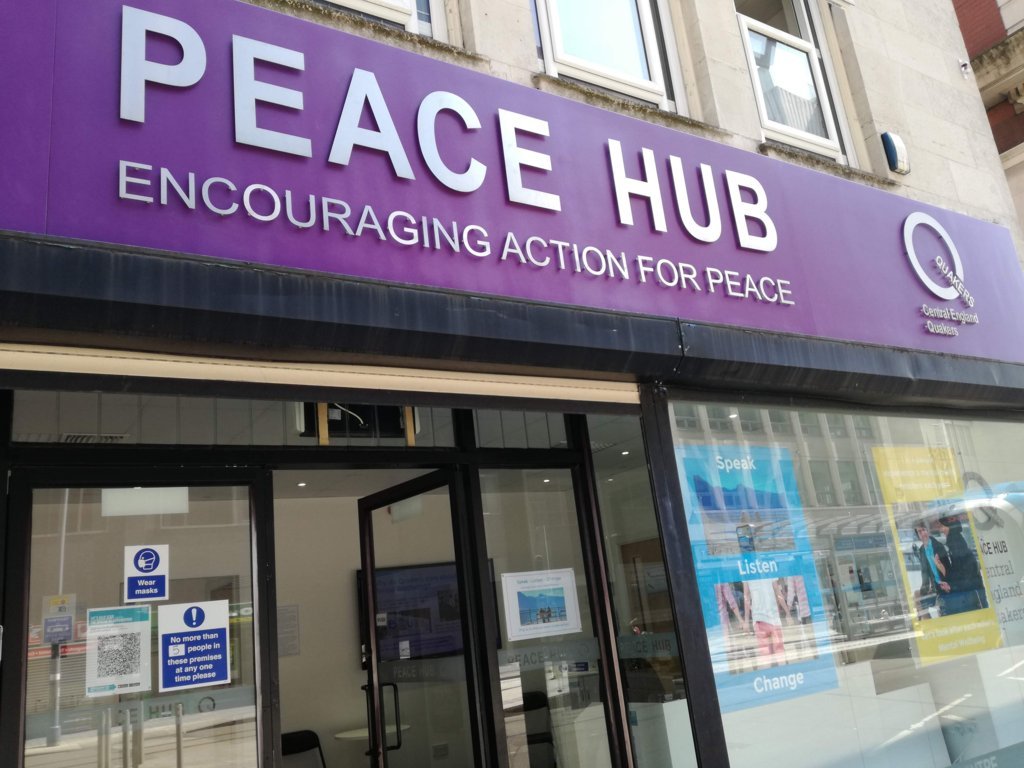


On 29th November, people from the West Midlands concerned about climate justice and migrant justice came together in Birmingham, to explore the intersection of these issues. We thought about how we can work together locally, to ensure that everyone has three key rights: the right to stay, the right to move, and the right to resist and advocate.
Myths & facts, learning from the UNHCR
In the morning we got the big picture, exploring our response to common assumptions about climate and displacement, and how in reality the picture is more nuanced. We considered analysis from the UN refugee agency (UNHCR) providing the facts about where people flee to (largely internal displacement and neighbouring countries), who is a ‘climate refugee’ (not a legally recognised status).
In addition to displacement caused by extreme weather events, climate change is a ‘threat multiplier’ – exacerbating conditions that force people to move, such as poverty, loss of livelihoods and conflict.
Thank You for the Rain
The ‘threat multiplier’ effect was brought home in the film Thank You for the Rain, shown as part of the Our Shared Futures: Climate & Migration Community Film Festival.

This powerful documentary follows Kisilu Musya, a Kenyan farmer who begins filming his daily life to show the real impacts of climate change on his community. Over five years, his story evolves from local struggle to global activism as he journeys to the UN climate talks in Paris. The film captures the personal toll of changing weather patterns while exposing the deep inequalities that shape who is heard (and who is not) in global climate debates.
Thank You For The Rain is available to rent online for home viewing, and you can view details on how to apply for a public screening licence.
Kisilu, his wife Christina and their community are working to adapt to climate change. They have been involved in starting self-help groups as well as teaching climate resilient farming techniques, and now they want to spread their model of adaptation to other farming communities across East Africa. Read more about the project and donate to their work.
A Future Fit for People & Planet
In the afternoon, Ben Margolis and Shams Moussa from City of Sanctuary helped us think about how the issue relates to us here in the UK and the West Midlands, and what we can do to work together.
Ben gave us some context about the issue, what work is already being done and what we might build on with political advocacy and policy in the UK and community-driven campaigning. The UK will not be the destination for the vast majority of people displaced by climate, but there is much we can be doing here.
Ben gave a warning that the far-right are using the links between climate and migration to spread fear, and bolster narratives of division. We need to have courageous conversations and build a shared narrative around justice. This event brought us together as migrant justcie and climate justice movements, and we can reach out to build further connections with for example housing justice.
Shams shared his experience of growing up in Niger, where once reliable harvests are beginning to fail due to climate change. People are doing their best to adapt with limited resources, such as mass tree-planting used to celebrate independence on 3rd August.
Shams also highlighted the issue of extractive industries, which are both fuelling environmental destruction, and displacing people from their homes. The profits of these industries are also extracted – the uranium that powers Europe’s nuclear power stations homes largely comes from Niger, while 80% of people there have no electricity.
He reflected on becoming an Sanctuary Ambassador, and the opportunities to help reshape narratives and celebrate what people arriving in the UK bring.
Next steps

We used questions from a new resource from City of Sanctuary ‘A Future Fit for People & Planet’ to reflect on how we can work together across our movements, how people with lived experience can lead or support the work, and what it would mean to really put justice at the heart of what we do.
We picked up on the importance of grounding ourselves in the places we live and work, and recognising that climate change is impacting people locally too. We also need to respect that people’s energy is being drained by the everyday need to survive an environment of austerity and hostility. By shifting our framing from a focus on threats to a sense of working together for justice, can we support those already working hard, and welcome in new people?
Next steps that individuals committed to included making connections across groups, sharing the resources above with our networks and communities, and working on a shared narrative of justice. Good links were made on the day between people from both movements, and we look forward to feeding into a growing network for justice that reaches across these issues.